CAD/CAM Training

Training That Brings Software, Machines, and Manufacturing Reality Together

Good CAD/CAM training today goes far beyond basic software operation. What matters is a reliable understanding of CAM logic, tools, simulation, post processors, and the connection to the real machine.

CAD/CAM Training in an Industrial Environment

Our Training Offering

Training with Technical Depth and Clear Practical Relevance

Good CAD/CAM training must not stop at click sequences. What matters is that users understand how data is prepared, which strategies make sense in the respective context, and how software, toolpath, simulation, post processor, and machine are connected.

That is exactly what our training is designed around. The goal is not just to explain functions, but to transfer knowledge in a way that can be applied safely in daily work. This leads to more reliable workflows, less uncertainty in the team, and much faster transfer into practice.

What Sets Our Training Apart

Four Characteristics That Make the Difference in Training

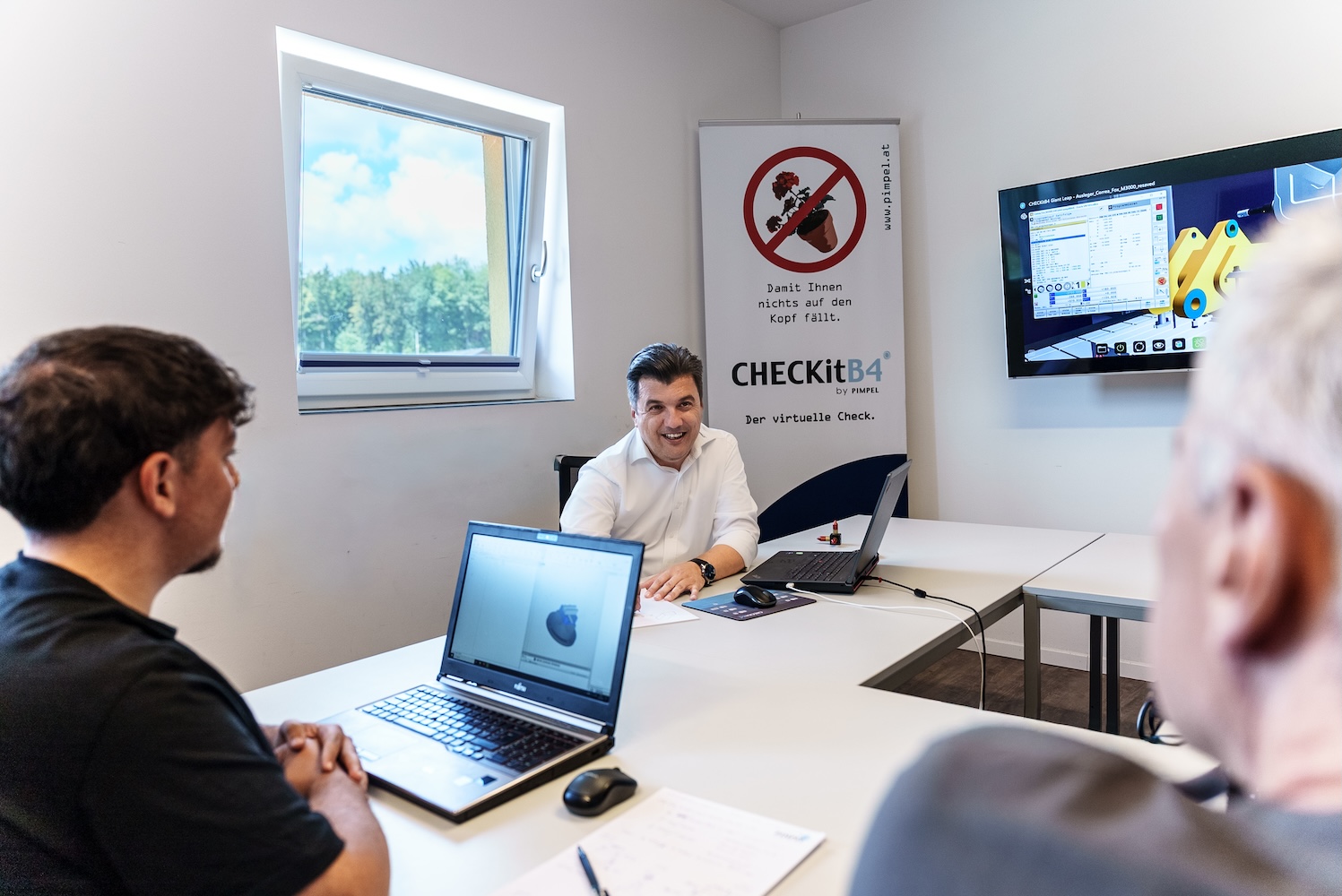
Our training is designed not just to communicate CAM knowledge, but to make it usable for real machines, real programs, and real workflows. That is exactly what matters in day-to-day work later on.

Practical Content

Practical CAD/CAM Training

The content is based on real parts, typical machining strategies, and questions from day-to-day manufacturing. This avoids disconnected training knowledge and creates understanding that can be transferred directly into practice.

Small Learning Groups

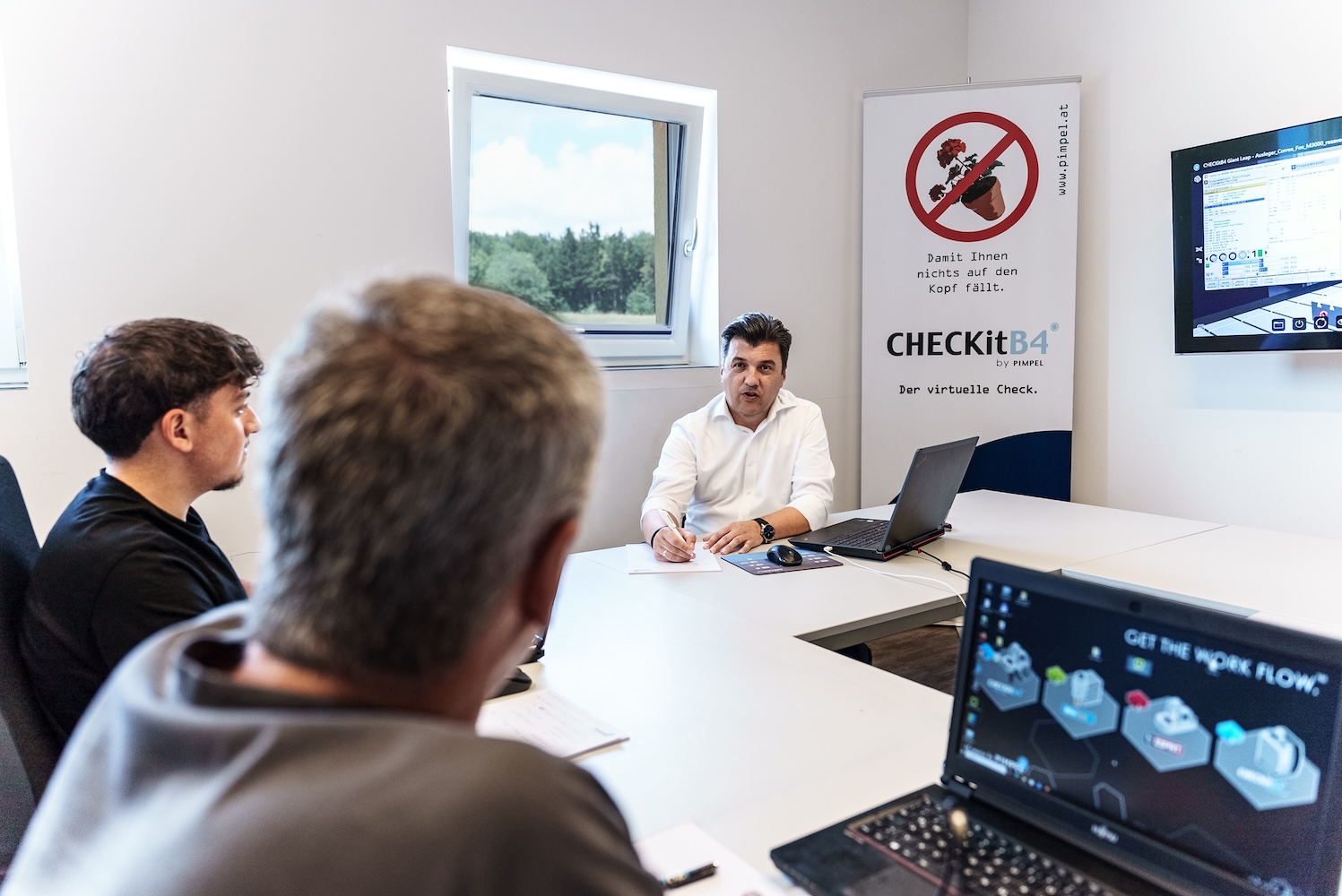
Small Learning Groups in CAD/CAM Training

Small groups create space for questions, individual examples, and far more intensive support than standardized mass training. This increases learning quality and helps anchor content more reliably.

Experienced Application Engineers

Experienced Application Engineers in Training

Our trainers know not only the software, but also the requirements of design, CAM, and manufacturing. This creates a transfer of knowledge that is technically reliable and stands up in daily operation.
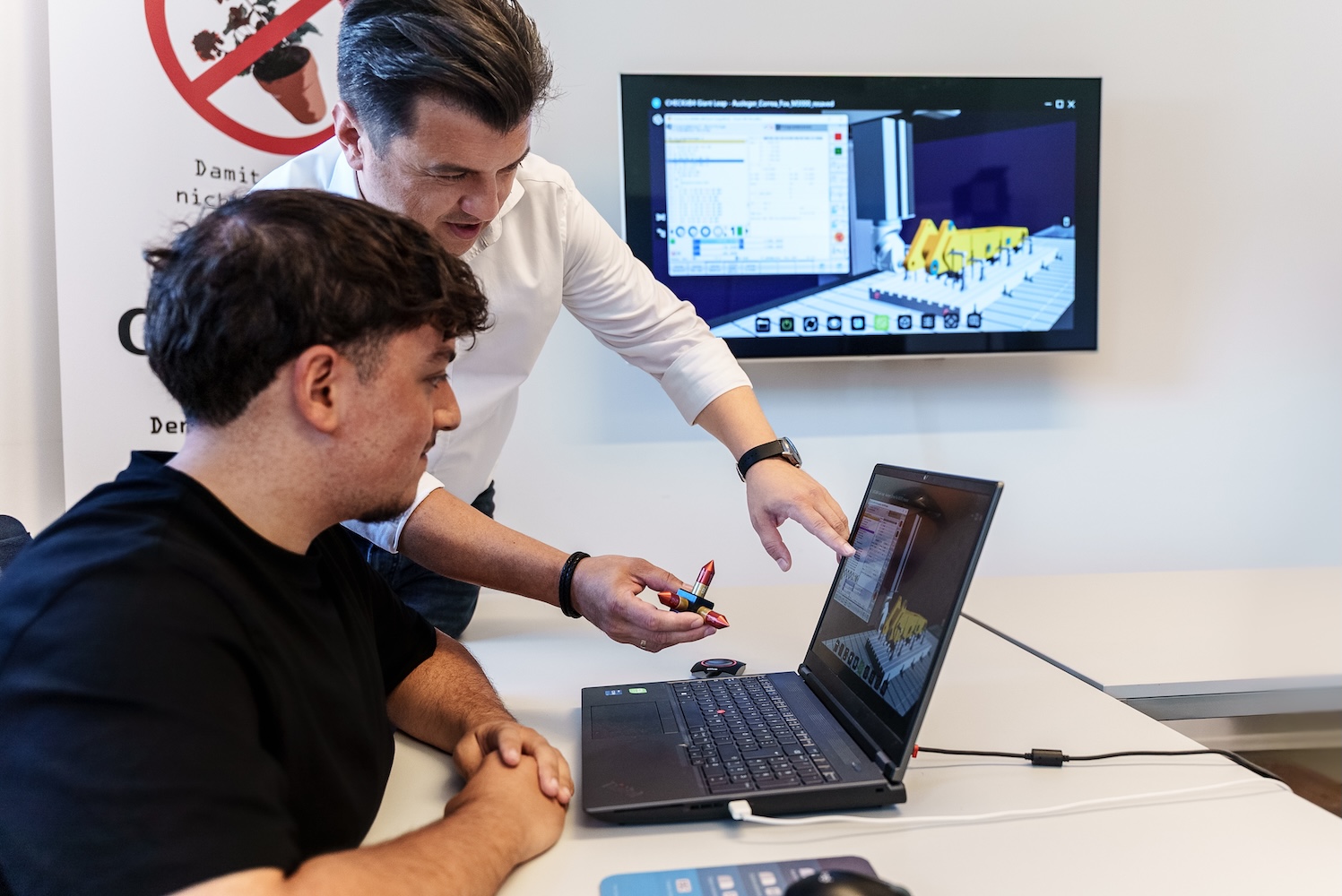
Requirements for Good Training

What Really Needs to Be Taught in the CAD/CAM Environment

Modern training must not stop at operating logic. What matters are the topics that truly determine quality, speed, and process reliability in day-to-day work.

Master the Software Fundamentals

Navigation, model understanding, geometry selection, job setup, and a clear working logic must be solid so users can work efficiently and with minimal errors.

Prepare CAD Data Correctly

Stable CAM programming begins with clean CAD data. Training must show how models, surfaces, features, and geometry should be prepared so downstream CAM processes work safely and clearly.

Understand Tools, Technologies, and Strategies

Good results do not come from automation alone. Users need to understand which strategy makes sense for which part and how tool selection and machining parameters interact.

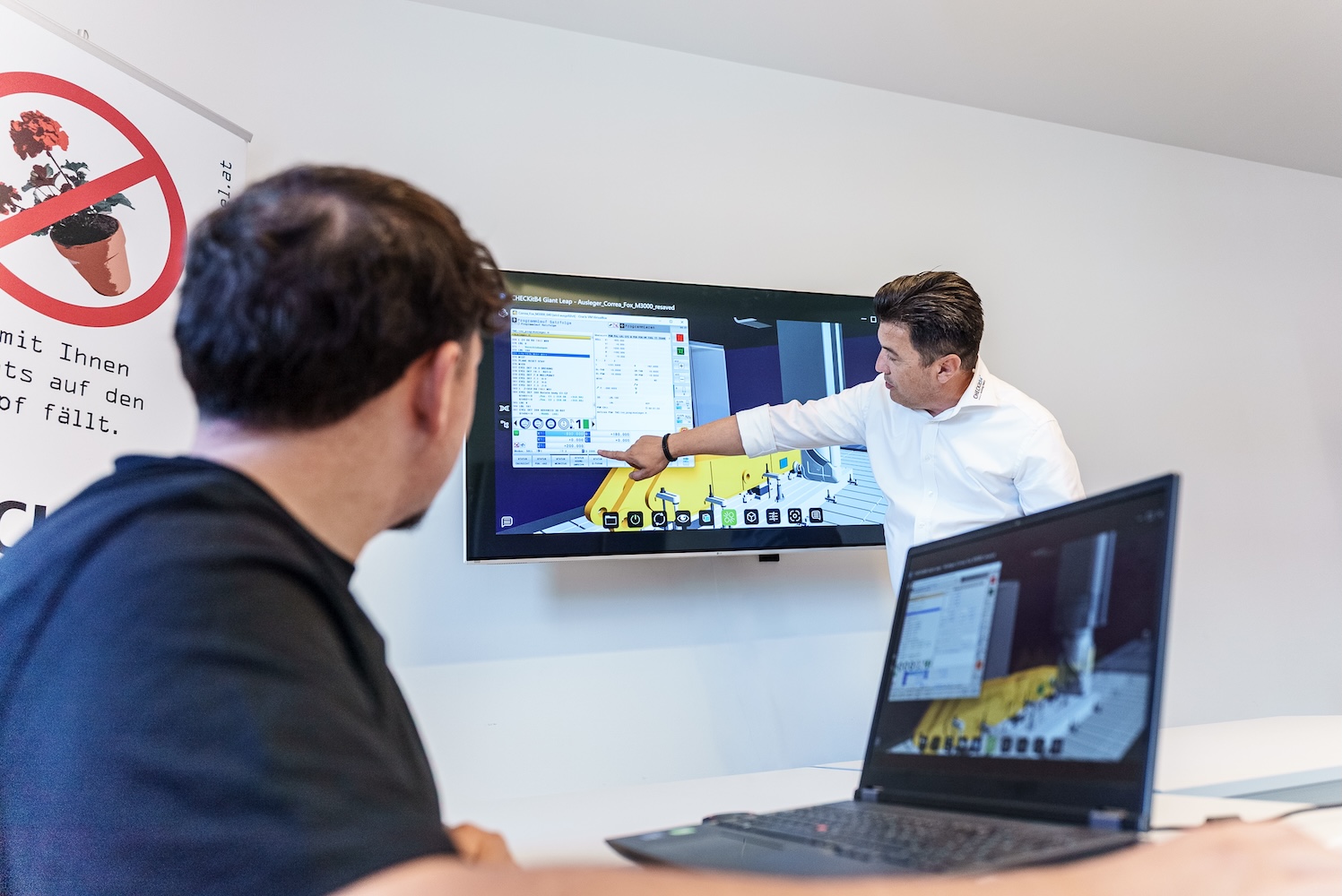
Simulation and Collision Avoidance

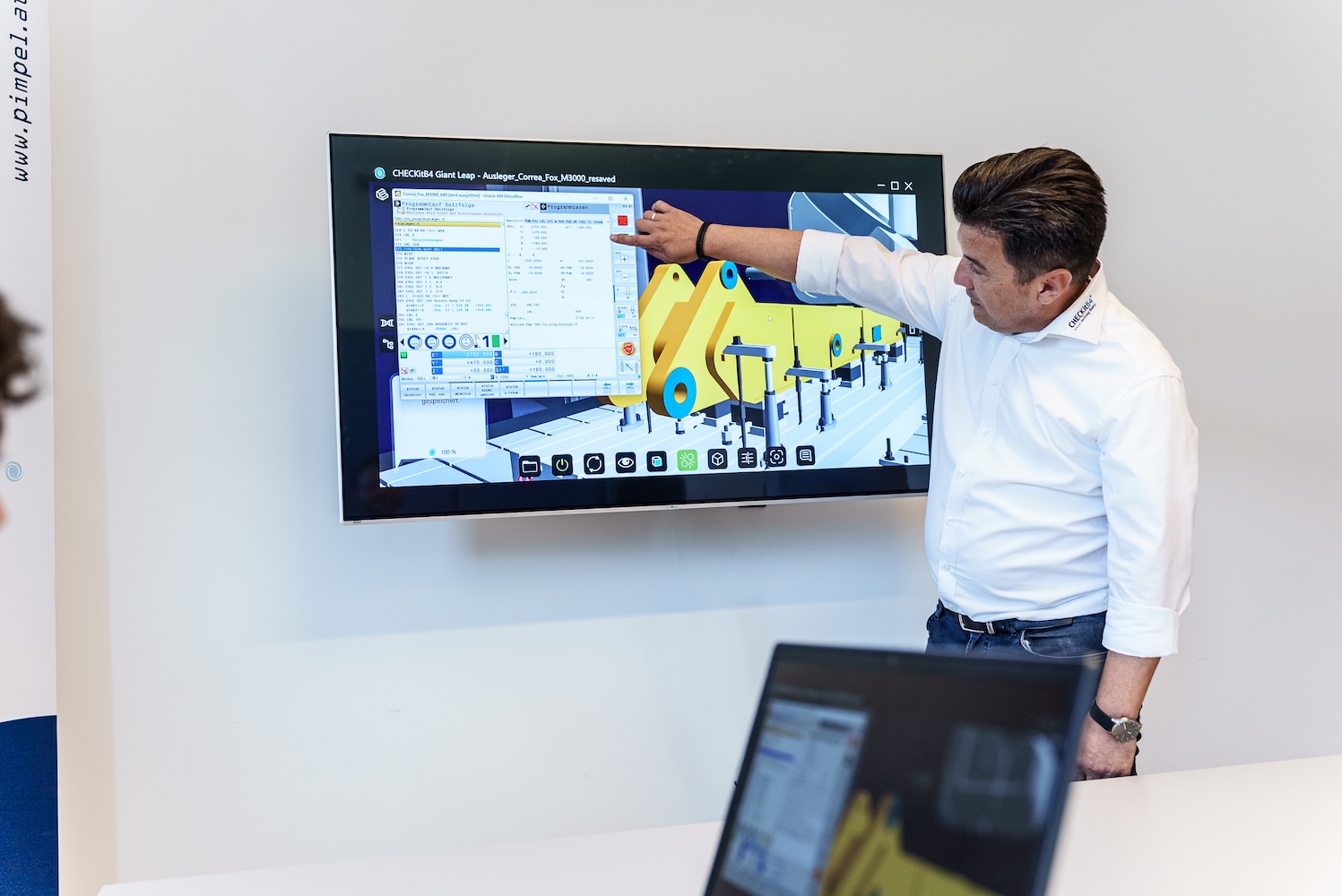
Visual verification of toolpaths, rest material, holders, and machine movements is a central part of professional CAM work and belongs in every solid training program.

Understand Post Processors and Machine Context

An NC program is only reliable when the output fits the machine. Training must therefore make the relationship between the CAM system, post processor, and machine behavior understandable.

Apply Standards Reliably

Templates, defined procedures, and consistent working logic are essential if CAM knowledge is to remain usable across the company and programming is to be built consistently.

Training Concept

A Training Structure That Fits Application and Experience Level

Not every team is at the same point. That is why we structure our training so that fundamentals, advanced topics, and practical application build clearly on one another.

Our basic training provides a reliable foundation for safe software use. Advanced training deepens strategies, methods, and the handling of more complex tasks. Customized training is based on your specific application, and if needed we also support implementation in the project environment so that knowledge is not lost in day-to-day work.

Training Concept and Knowledge Transfer in Practice